Single cell transcriptomics
10x Chromium workflows
- 3′ and 5′ gene expression
- Feature barcoding for multiplexing or cell surface protein profiling
- V(D)J immune repertoire profiling
- Multiome RNA plus ATAC

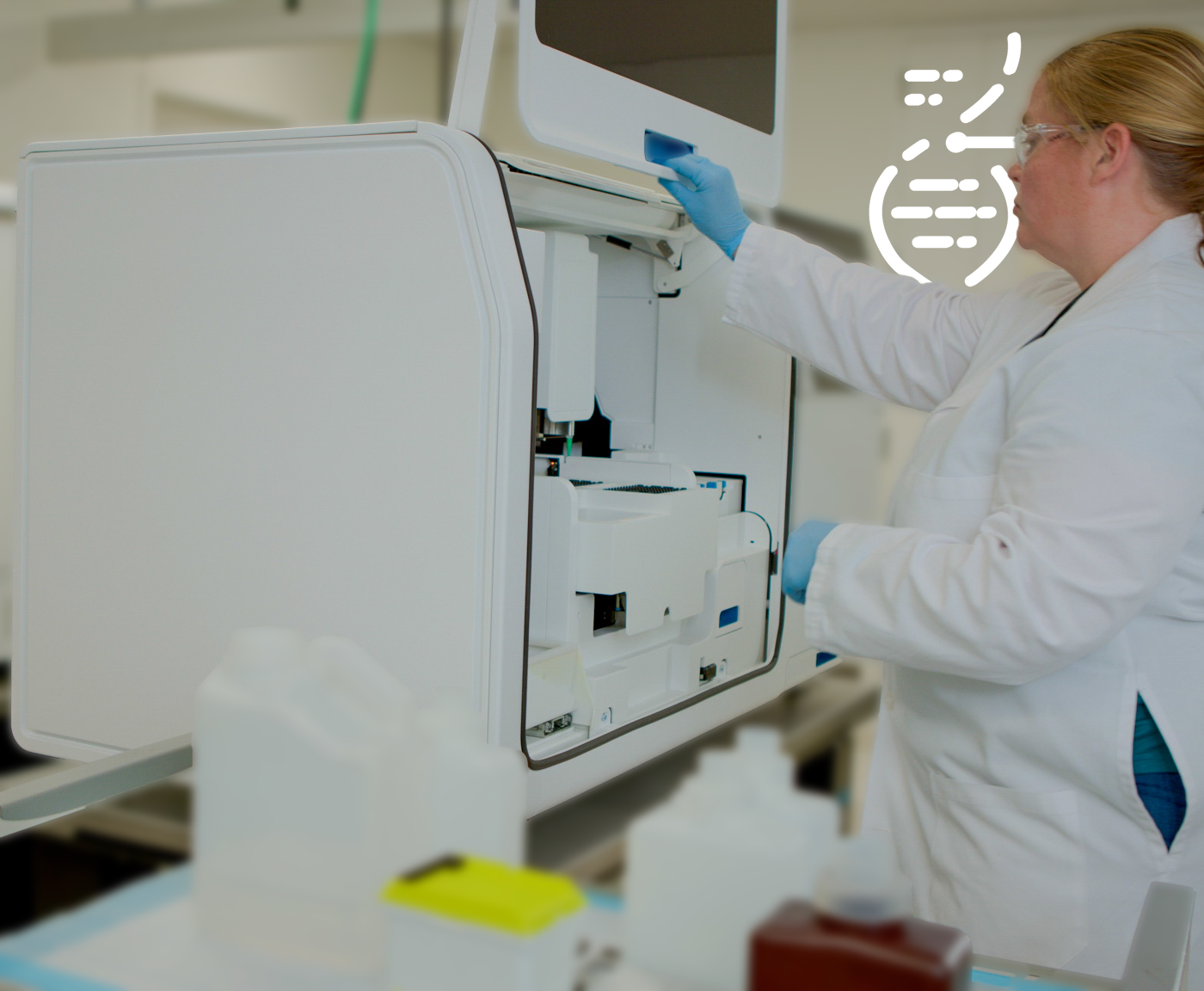
Single cell transcriptomics at GTAC@MGI enables gene expression profiling at cell level resolution using the 10x Genomics® Chromium X™ platform, supporting both single cell and single nuclei inputs. Our workflows are configured for complex and heterogeneous samples, with assay selection and study design guided by sample type, biological question, and downstream analysis requirements.
Single cell transcriptomics
Input material
Data outputs
Single cell gene expression profiling quantifies transcript abundance across thousands to hundreds of thousands of cells per study, enabling identification of cell types, states, and differentially expressed programs within heterogeneous samples. Assay selection is guided by sample characteristics, desired read structure, and downstream analysis requirements.
Feature barcoding and immune profiling extend single cell RNA sequencing by linking additional measurements to each cell barcode, including cell surface protein abundance and immune receptor repertoires. BioLegend antibodies and hashtags must be incorporated prior to sample submission.
Single nuclei RNA sequencing supports transcriptome profiling when intact cells are difficult to recover, including frozen tissues and samples where dissociation may bias cell type representation. Nuclei based approaches can improve feasibility for archived or fragile materials while retaining cell state signal for many study designs.
Chromatin accessibility profiling complements gene expression by capturing regulatory state, while multiome workflows measure RNA and ATAC in the same cells to support integrated interpretation. These approaches are useful when transcriptional differences are driven by regulatory programs and when cell state is best defined by combined modalities.
Single cell study design is driven by sample constraints and experimental design. The comparison below summarizes practical tradeoffs across common 10x Genomics Chromium X workflows, with emphasis on interpretability, bias, and downstream analysis implications.
| Workflow | Primary readout | Best fit inputs | What it resolves | Design notes |
|---|---|---|---|---|
| 3′ single cell gene expression | Transcript counts per cell barcode | Viable single cell fresh and fixed suspensions from PBMCs, tumors, organoids, and dissociable tissues | Cell types, states, trajectories, and differential programs within heterogeneous samples | Gold standard for gene expression data; often shows slightly higher gene detection rates |
| 5′ single cell gene expression | Transcript counts per cell barcode | Viable single cell fresh and fixed suspensions from PBMCs, tumors, organoids, and dissociable tissues | Cell types, states, trajectories, and differential programs within heterogeneous samples | Preferred when targeting specific non poly adenylated genes or when detailed isoform level or V(D)J information is needed |
| Immune profiling and BioLegend feature barcoding | RNA with linked protein tags and or immune receptor sequences | Immune rich samples where phenotype and clonality inform interpretation | Protein informed cell states and linked TCR or BCR clonotypes with transcriptional context | Panel selection and controls drive interpretability; V(D)J workflows require 5′ chemistry |
| Single nuclei RNA sequencing | Nuclear RNA counts per nucleus barcode | Frozen tissues and samples where intact cell recovery is limited or biased | Cell type composition and state signals with reduced dissociation bias in many tissues | Protocols available from 10x Genomics for challenging sample types; immune profiling not supported |
| Multiome profiling (RNA plus ATAC) | Chromatin accessibility peaks with paired RNA per cell | Projects with explicit regulatory questions and sufficient material for higher complexity workflows | Regulatory programs, cell state definition beyond RNA alone, and links between accessibility and expression | Best when the regulatory hypothesis is central; multiome designs require high concentration high quality nuclei suspensions, whole cell not supported |
Each project presents distinct sample and study design constraints. Workflow selection is typically refined collaboratively to align assay choice, cell number targets, and read allocation with downstream analysis goals and the statistical power needed for planned comparisons.
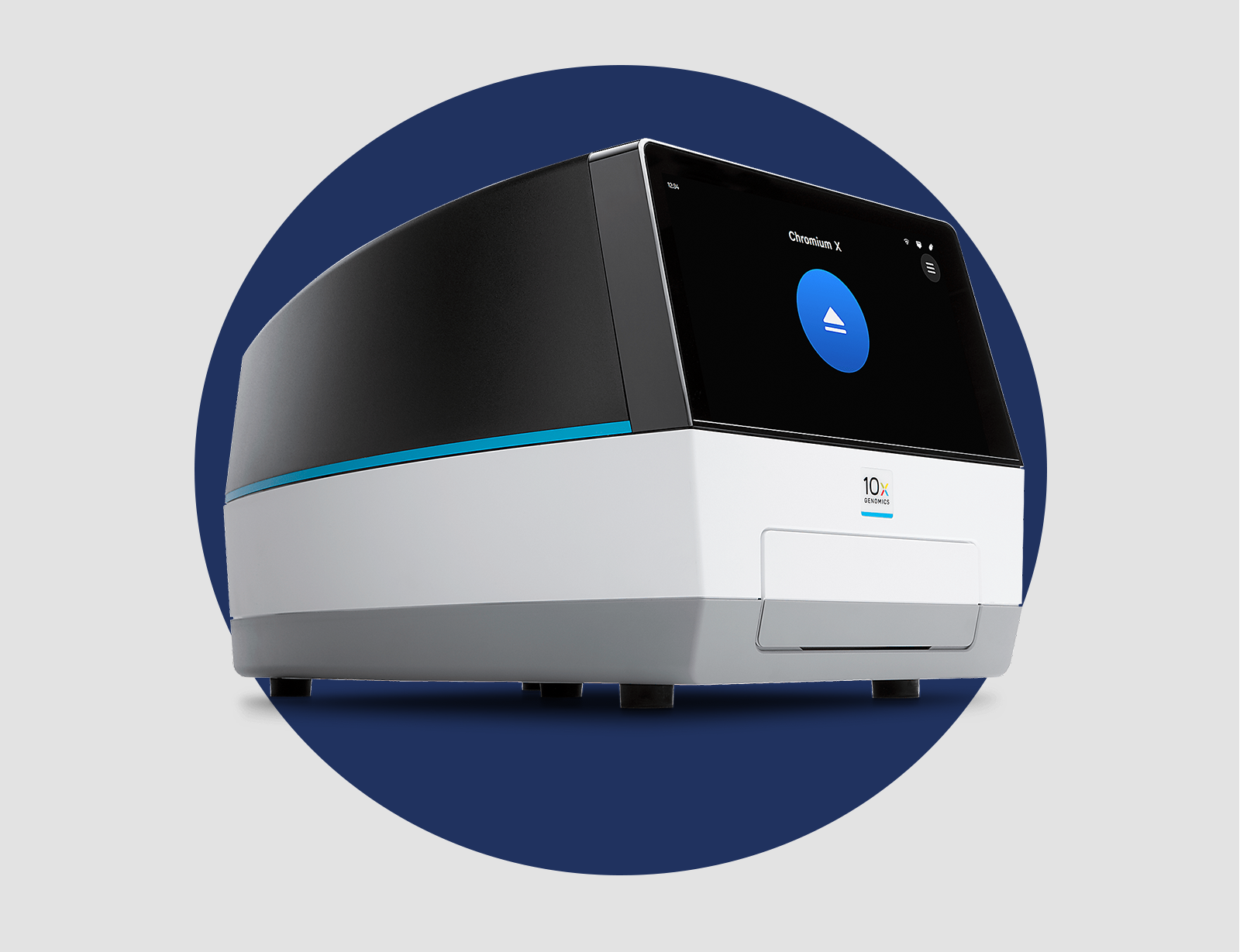
High resolution single cell and nuclei genomics platform for transcriptomic and multiomic studies.