Decades of large scale genome sequencing at GTAC@MGI
GTAC@MGI traces its roots to the early Genome Sequencing Center in St. Louis, which focused on large scale genome sequencing projects and helped drive the Human Genome Project. Early work on the C. elegans genome provided a test bed for mapping and sequencing approaches that now support disease focused sequencing services across campus and for large pharma and biotech partners.
By 2005 the institute had become one of the highest throughput sequencing sites in the world. Today, GTAC@MGI operates both short read and long read sequencing platforms capable of producing terabases of data per day, supported by dual data centers with redundant power and fiber connections.
The team has contributed to many major genomics efforts, including sequencing roughly a quarter of the human reference genome and large scale genome projects in model organisms, crops, and disease cohorts.
How GTAC@MGI connects to other MGI platforms
GTAC@MGI joined the McDonnell Genome Institute to connect sequencing pipelines with the broader multi omics ecosystem at Washington University. Today, work regularly spans genome engineering, proteomics, mass spectrometry, spatial assays, and functional imaging.
GESC creates engineered cell lines and stem cell models that pair naturally with GTAC@MGI sequencing workflows for functional genomics, variant detection, and disease modeling.
Learn moreMTAC enables proteomics and metabolomics workflows that extend DNA/RNA measurements from GTAC@MGI into protein level and metabolite level insights.
Learn moreFIVE links genomic perturbations to high content imaging readouts, allowing researchers to connect sequence level variation to cellular phenotypes.
Learn moreExtending genomics into the community through GREG

GTAC@MGI and the McDonnell Genome Institute support community education through the Genome Resource and Education Center (GREG). GREG works with K to 12 schools, teachers, and local organizations to introduce genomics concepts, hands on activities, and exposure to STEM careers.
GREG programs integrate real data and examples from GTAC@MGI projects, helping students understand how sequencing and multi omics research connects to human health and scientific discovery.
Learn more on the GREG website.
GTAC@MGI and the McDonnell Genome Institute have grown from genome mapping into a coordinated multi omics center focused on generating data that informs human health. Our linked platforms support biomarker discovery and research in diseases of aging and neurological conditions, helping move promising ideas toward impact in patient care.Jeff Milbrandt, Executive Director
GTAC@MGI maintains automation, robotics, and high throughput pipelines capable of supporting studies ranging from small pilot experiments to tens of thousands of samples. The goal is consistent, research grade data that can support both discovery and translation.
Advancing tools that keep pace with the questions
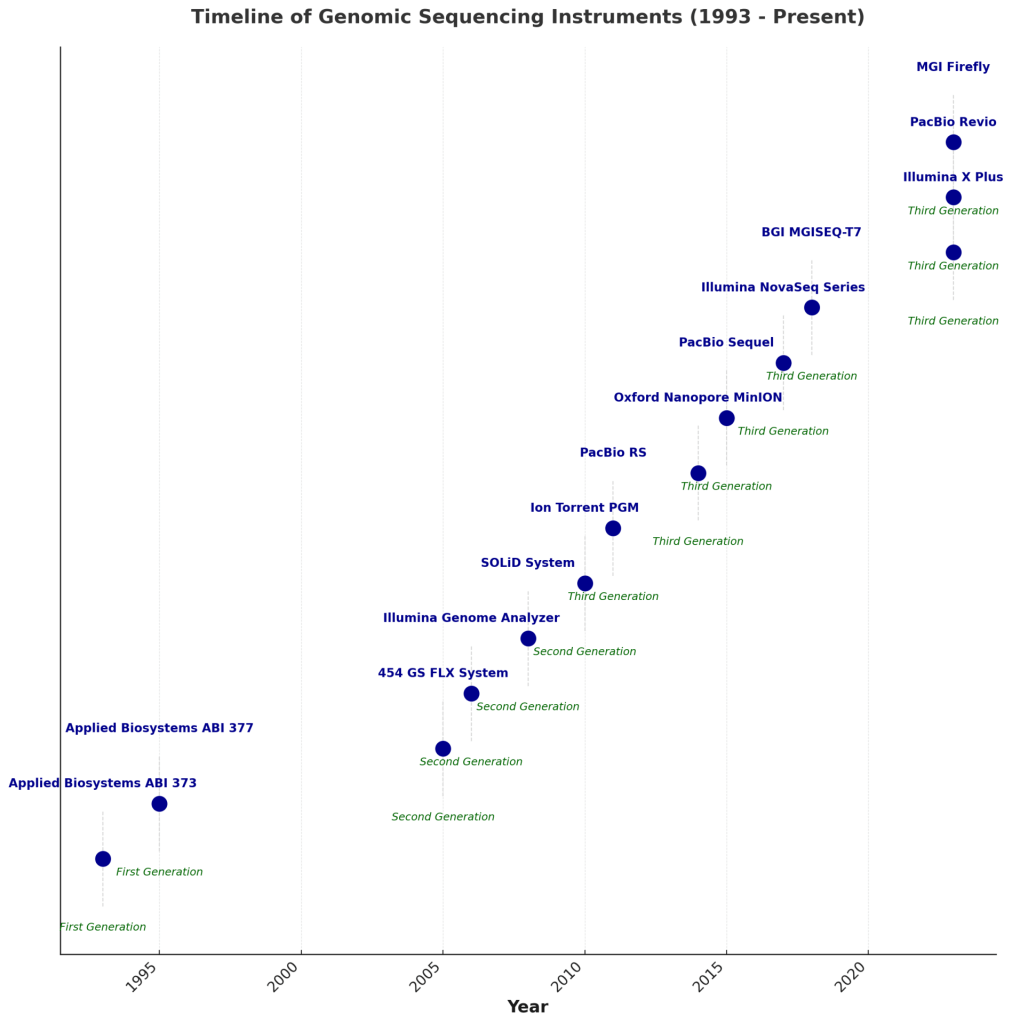
For more than three decades, MGI has evaluated and implemented new technologies across sequencing, single cell assays, spatial profiling, multi omics workflows, and long read sequencing. GTAC@MGI connects these capabilities to researchers through accessible, high quality pipelines.
Hear from Bob Fulton on how GTAC@MGI identifies emerging platforms, develops robust pipelines, and provides high quality data for researchers at Washington University and beyond.