Bulk RNA-Seq Overview

Bulk RNA-Seq at GTAC@MGI supports transcriptome profiling for differential expression studies using Illumina® platforms, with library protocol selection guided by RNA quality, input amount, and experimental goals. Libraries are uniquely dual indexed for multiplexing, with sequencing depth matched to the study design.
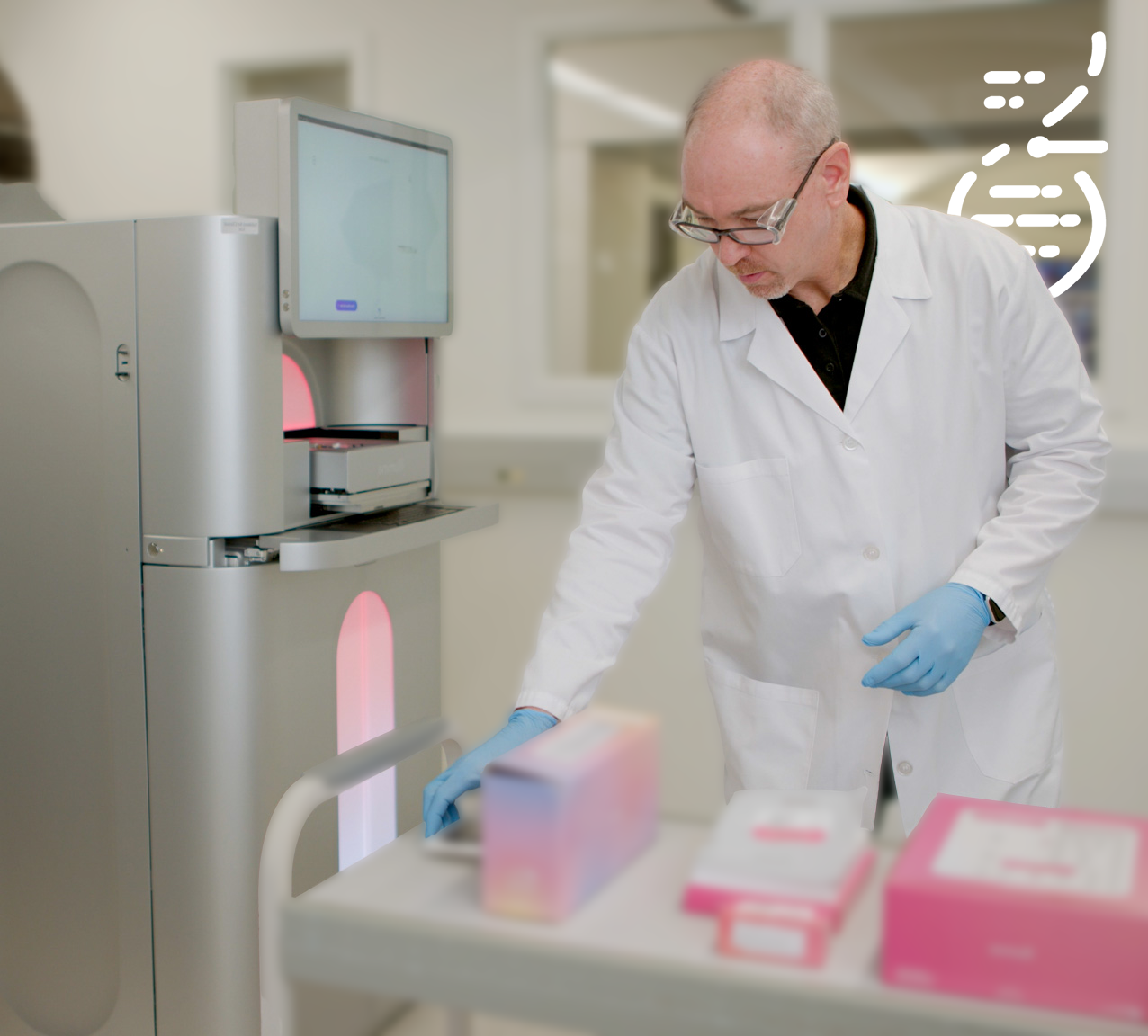
  • Library options include poly(A) selection and ribosomal depletion workflows, including globin depletion when needed.
  • Low input workflows supported for projects with limited material.
  • RNA and process QC supported using Bioanalyzer® or TapeStation® and Qubit®.
  • Sequencing commonly run as 2×150 on NovaSeq X Plus™, with depth tailored to study needs.
Bulk RNA sequencing workflow and Illumina sequencing at GTAC@MGI

Bulk RNA-Seq Platforms and Deliverables

Bulk RNA-Seq

Library Protocols

  • mRNA sequencing with Poly(A) selection
  • Ribosomal depletion for supported organisms
  • Low input mRNA workflows using cDNA amplification
Input Material

Supported Samples

  • Total RNA from human, mouse, and rat
  • RNA from model organisms, plants, bacteria, and viruses
  • RNA quality and quantity guide protocol selection
Data Outputs

Deliverables

  • FASTQ files generated to project specifications
  • Standard RNA-seq analysis pipeline included for supported organisms
  • Differential expression and pathway analysis when requested

Bulk RNA-Seq Services

Bulk RNA-Seq Technology Comparison

Bulk RNA-Seq performance is driven by input material and selection of appropriate library protocol. The comparison below summarizes practical tradeoffs between common approaches used for gene expression profiling and transcriptome characterization, including PolyA selection, ribosomal depletion, and low input workflows. Selection is typically refined using RNA quality metrics, sample source, and study design.

Protocol What it captures Works best when Key limitations
PolyA selection Polyadenylated mRNA transcripts RNA is high quality and the focus is coding gene expression Requires higher input mass, biased performance with degraded RNA
Ribosomal depletion Coding and noncoding transcripts from total RNA RNA is partially degraded or whole transcriptome coverage is needed Limited species compatibility, may require increased sequencing depth compared with PolyA selection
Ribosomal and globin depletion Coding and noncoding transcripts from total RNA Samples are whole blood derived or globin transcripts dominate Limited species compatibility, may require increased sequencing depth compared with PolyA selection
Low input workflows Transcriptome from limited RNA amounts Sample quantity is limiting Caveats could include 3′ bias, high rRNA content, or other amplification bias dependent on sample quality and quantity

Bulk RNA-Seq Instrumentation

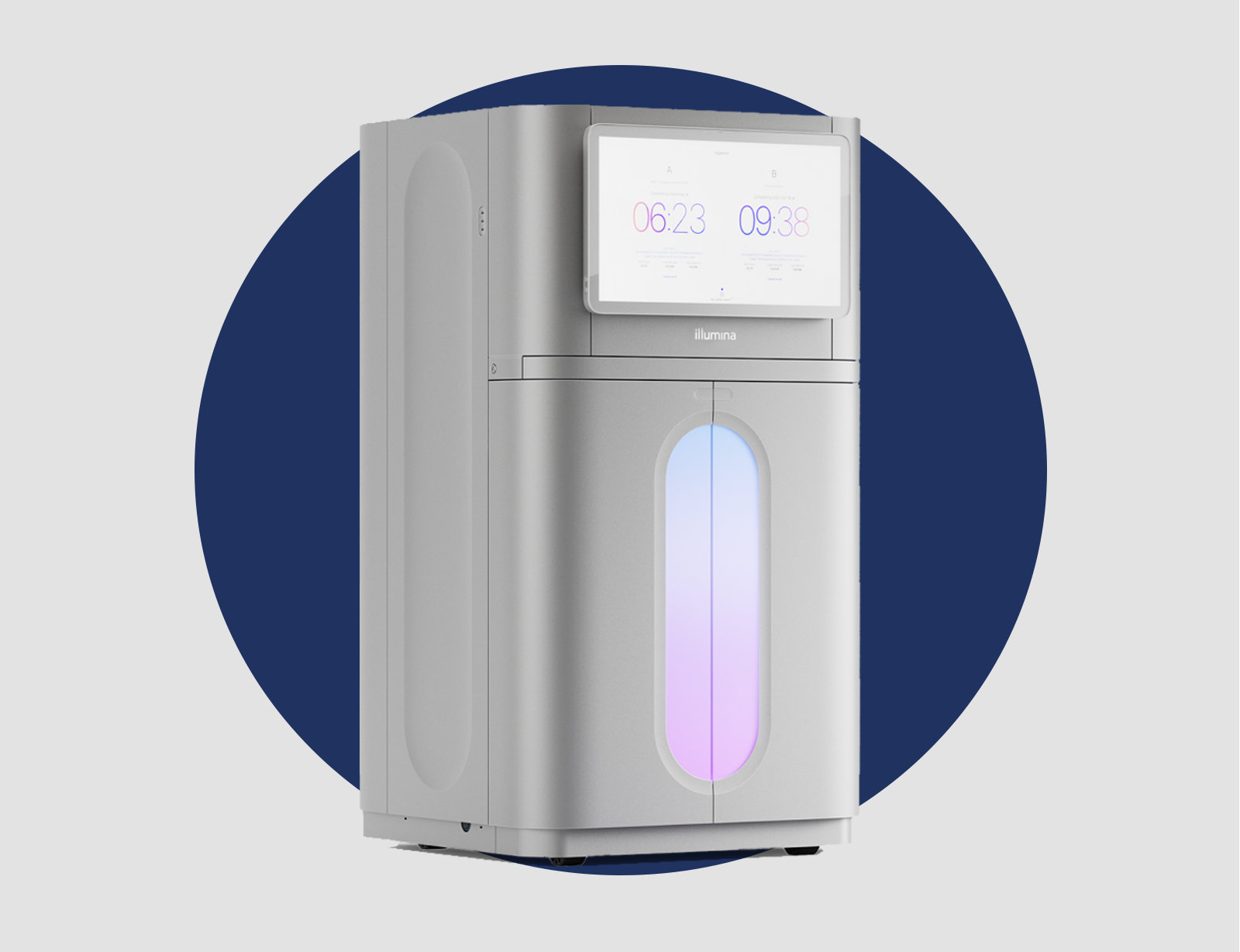
Illumina NovaSeq X Plus

Illumina® NovaSeq® X Plus

High throughput short read sequencing system optimized for large scale transcriptomic studies.
  • Improved accuracy and lower error rates compared to prior systems
  • Up to 8 Tb total output per 25B flow cell
  • Up to 860 transcriptomes per 25B flow cell
  • 150 bp paired end sequencing with advanced XLEAP SBS chemistry
  • 10B, 5B, and 1.5B flow cells available for variable project size and read lengths
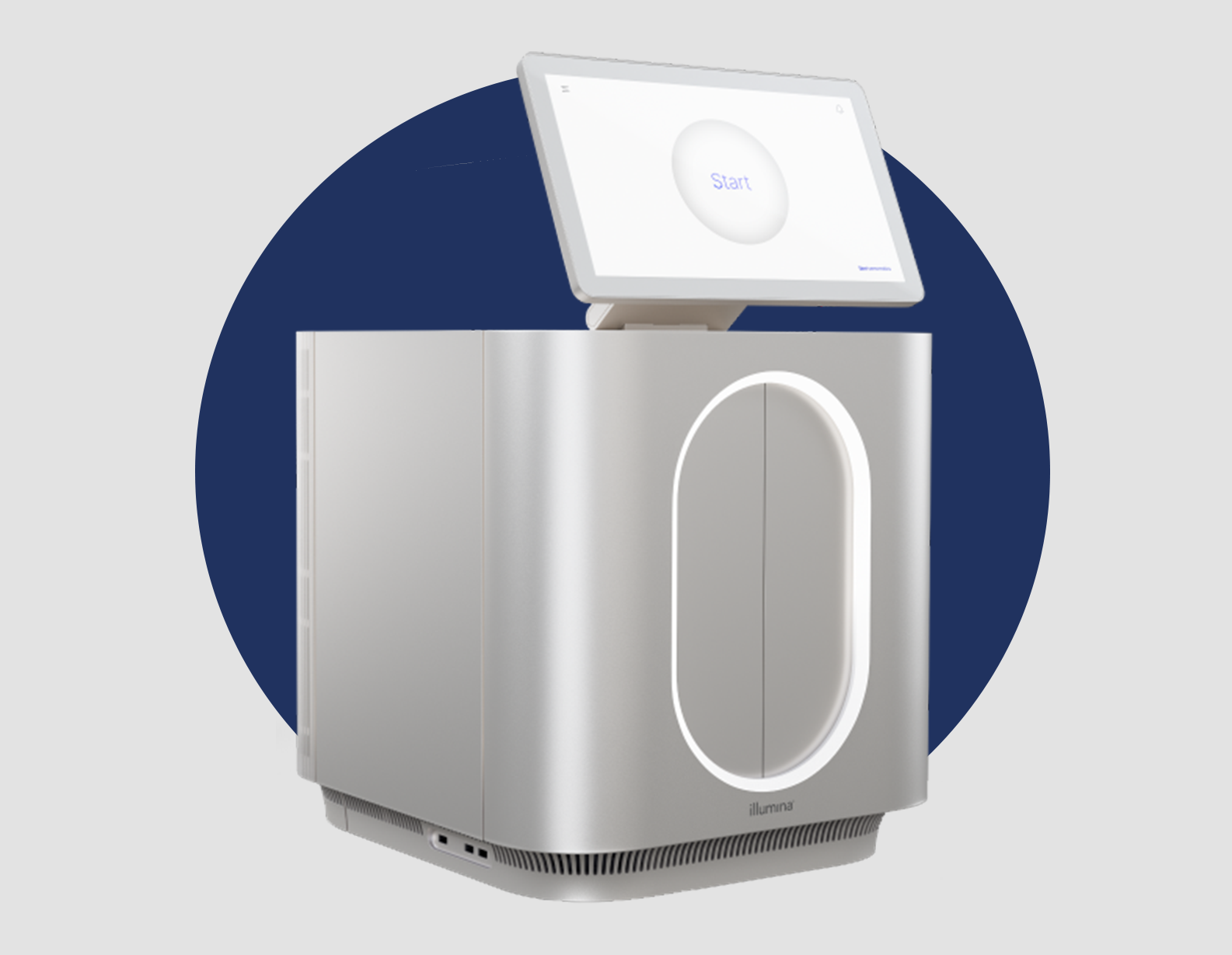
Illumina MiSeq i100 benchtop short read sequencing system

Illumina® MiSeq™ i100

Benchtop short read sequencing system optimized for fast, flexible sequencing and longer read applications.
  • Flexible run configurations
  • Longer reads available up to 2×300 bp
  • Faster turnaround time for small projects
  • Spike ins available for 2×150 and 2×250 sequencing runs
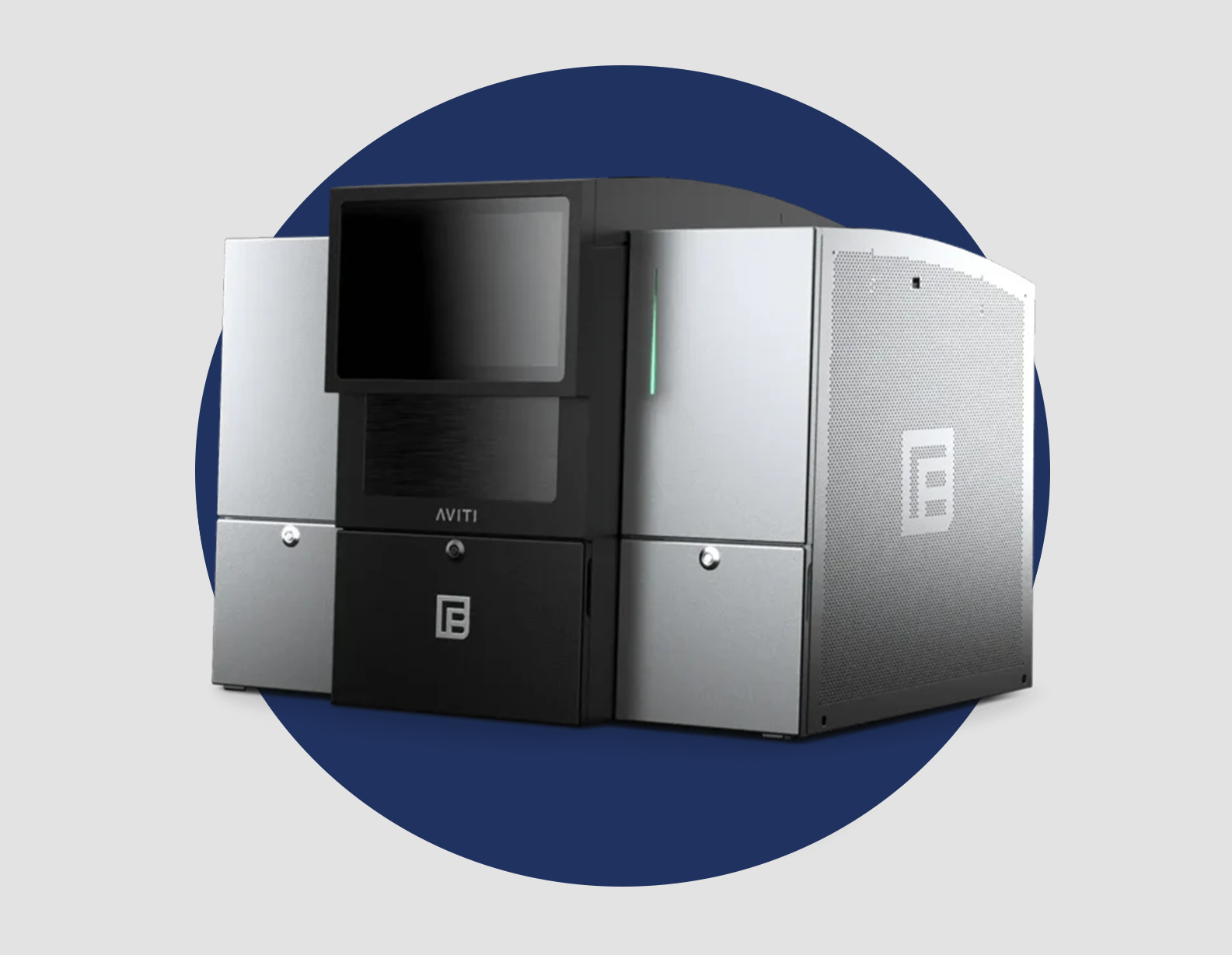
Element Biosciences AVITI short read sequencing system

Element Biosciences® AVITI®

High accuracy short read sequencing system powered by avidity chemistry for flexible transcriptomic workflows.

  • Flexible run configurations
  • Longer reads (2x300) available
  • Faster turnaround time for small to mid-sized projects
  • Excellent base quality with lower duplication rates
  • Lower index hopping rates