Long Read Sequencing
Platforms
- PacBio Revio
- Oxford Nanopore PromethION
- Platform selection based on read length, accuracy, and throughput requirements

Long read sequencing at GTAC@MGI supports structural variant detection, repeat expansion sizing, haplotype resolution, and isoform analysis using PacBio® Revio™ and Oxford Nanopore® PromethION™. Study design and platform selection are guided by DNA or RNA quality, input constraints, and the biological question.
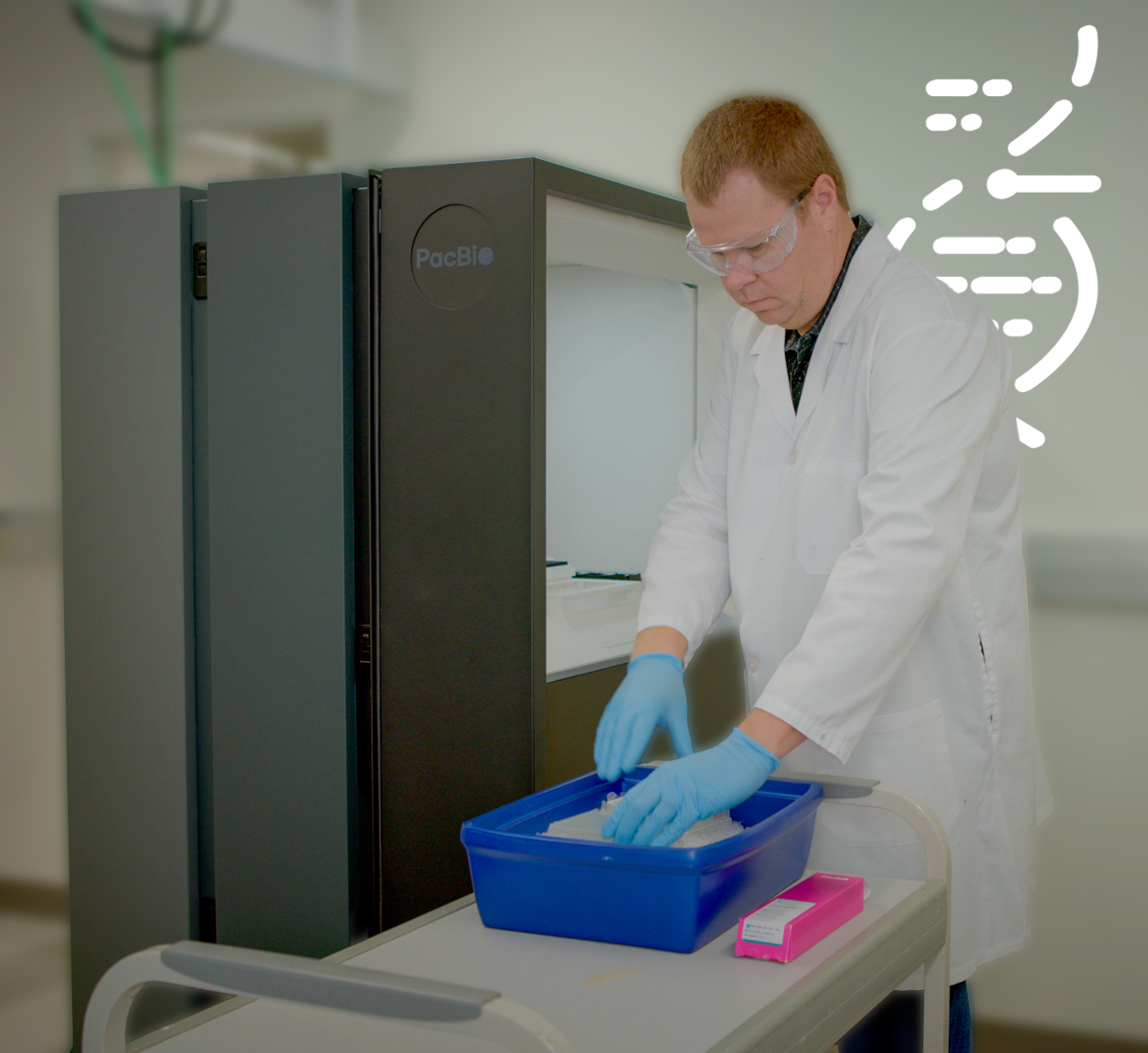
PacBio HiFi whole genome sequencing provides long, highly accurate reads for comprehensive variant detection across the genome. GTAC@MGI uses optimized library preparation and PacBio Revio sequencing to support human, model organism, and microbial genomes.
PacBio Kinnex full length RNA sequencing captures complete transcript isoforms in single HiFi reads, including UTRs and complex splice patterns. GTAC@MGI supports Kinnex projects for bulk RNA, single cell RNA (10x Genomics), and selected tissues where isoform structure matters.
The PacBio 16S Kinnex workflow at GTAC@MGI provides full length 16S rRNA profiling with high throughput and improved taxonomic resolution. Libraries are prepared with concatenated amplicons and sequenced on PacBio Revio using HiFi reads.
Oxford Nanopore whole genome sequencing provides long to ultra long reads from native DNA, supporting assembly, structural variant analysis, and modification detection. GTAC@MGI runs projects on PromethION depending on scale and throughput needs.
Oxford Nanopore RNA sequencing supports direct sequencing of native RNA or full length cDNA, capturing isoforms and RNA modifications without fragmentation. GTAC@MGI supports direct RNA and cDNA based workflows for transcriptome studies that benefit from read length and modification awareness.
(Revio)
Best when accuracy across long reads is the primary requirement.
Key constraint: ultra long contiguity is limited by library fragment length.
(PromethION 24)
Best when read length and flexibility are more important than per read accuracy.
Key constraint: spanning read yield depends heavily on input quality and depth planning.
These comparisons are intended as general guidance. Long read project design is highly dependent on the biological question, sample characteristics, and downstream requirements. We routinely review these factors with sponsors to determine the most appropriate sequencing strategy.
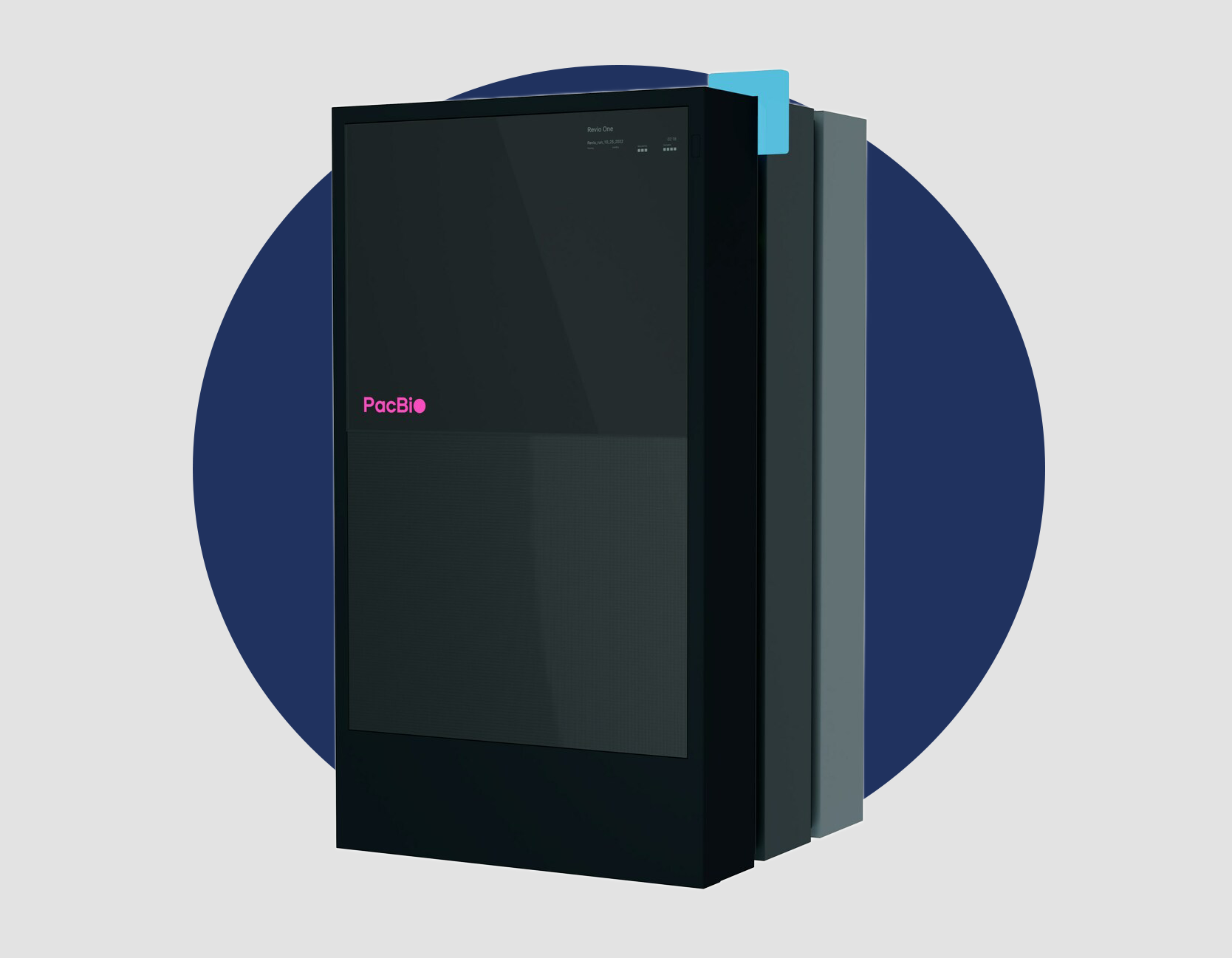
High throughput HiFi long read sequencing for whole human genomes and complex variant analysis.
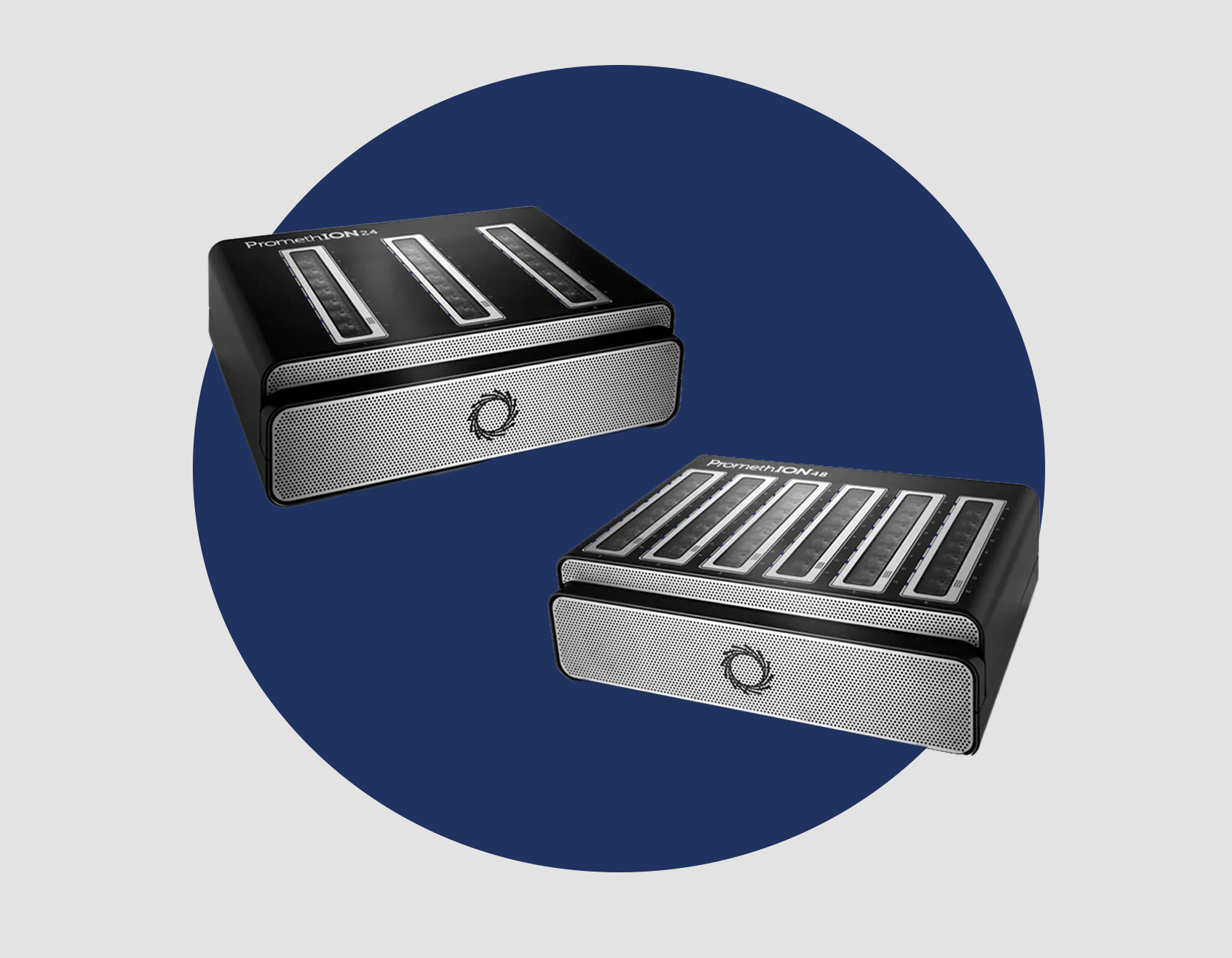
High throughput nanopore sequencing for long and ultra long read DNA and RNA applications.