
High-plex proteomics at MGI supports large cohort biomarker discovery studies using Illumina®/Somalogic SomaScan™, Illumina Protein Prep™, or Olink Reveal, delivering standardized protein measurements and outputs ready for downstream validation. These approaches are appropriate when fixed content, batch control, and reproducibility across samples are primary requirements.
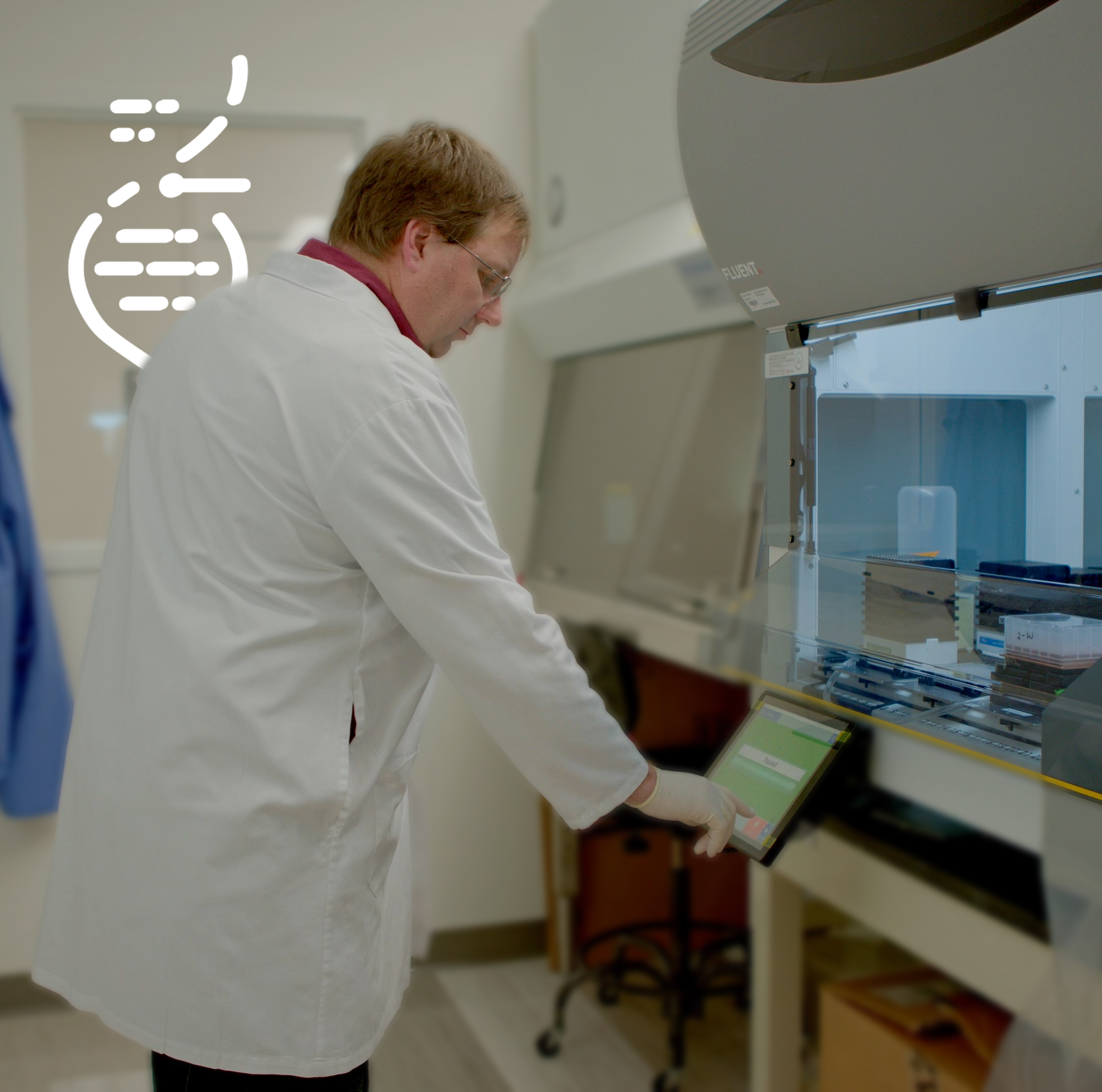
Illumina Protein Prep enables standardized, high-plex protein quantification across mid to large sample cohorts. This assay is commonly used for biomarker discovery and comparative studies where reproducibility, batch control, and consistency across samples are required.
Illumina/SomaLogic SomaScan enables standardized, high-plex protein quantification across mid to large sample cohorts. These assays are commonly used for biomarker discovery and comparative studies where reproducibility, batch control, and consistency across samples are required.
Olink Reveal enables standardized, mid to high-plex protein quantification across mid to large sample cohorts. These assays are commonly used for biomarker discovery and comparative studies where reproducibility, batch control, and consistency across samples are required.
Different proteomics approaches are optimized for different scientific questions. Illumina Protein Prep and Illumina SomaLogic SomaScan are most effective for studies that require standardized, high-plex protein measurements across many samples, while targeted assays and mass spectrometry serve complementary roles. This table compares high plex affinity proteomics versus targeted protein assays and mass spectrometry proteomics, including when each approach is the best fit.
|
Illumina Protein Prep and Illumina SomaLogic SomaScan High plex affinity proteomics |
Targeted protein assays Predefined protein panels |
Mass spectrometry proteomics Discovery and targeted MS |
|
|---|---|---|---|
| Primary objective | Identify protein signatures, pathway level changes, and global trends across many proteins. | Quantify a known set of proteins or markers with high specificity. | Characterize protein identity, isoforms, and post translational modifications. |
| Protein coverage | Thousands of fixed protein targets measured uniformly across all samples. | Tens to hundreds of proteins selected prior to the study. | Hundreds to low thousands of proteins depending on sample type and method. |
| Study scale | Medium to large cohorts, longitudinal designs, and multi batch studies. | Small to medium studies focused on established hypotheses. | Focused cohorts or subsets selected for deeper mechanistic analysis. |
| Sample compatibility | Plasma, serum, CSF, and other low volume biofluids within assay specifications. | Biofluids or tissues compatible with available assay formats. | Biofluids, tissues, or cells optimized for proteome depth and MS performance. |
| Typical workflow fit | Discovery and prioritization followed by targeted assays or MS based validation. | Hypothesis driven measurement or validation of predefined targets. | Mechanistic follow up and detailed characterization of selected proteins. |
In practice, high-plex affinity proteomics using Illumina SomaLogic SomaScan is often used for cohort scale protein profiling and discovery, with targeted assays and mass spectrometry proteomics used for orthogonal validation and deeper characterization. Each project has distinct scientific and practical constraints. GTAC@MGI works with investigators to evaluate study goals, sample characteristics, and downstream analysis requirements in order to select and design the most appropriate proteomics strategy.
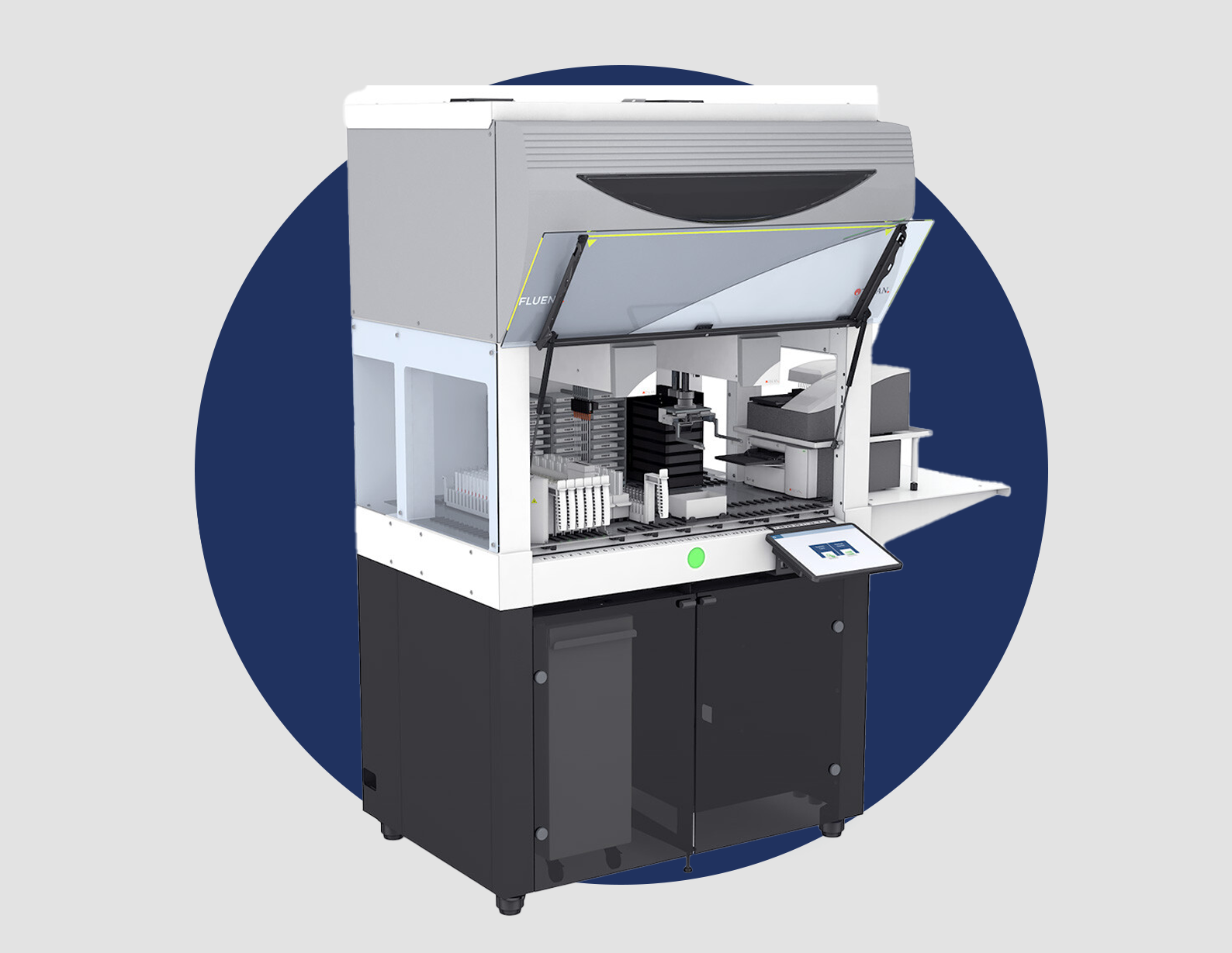
Automated liquid handling system supporting high throughput protein preparation and SomaScan assay workflows with consistent, reproducible execution.
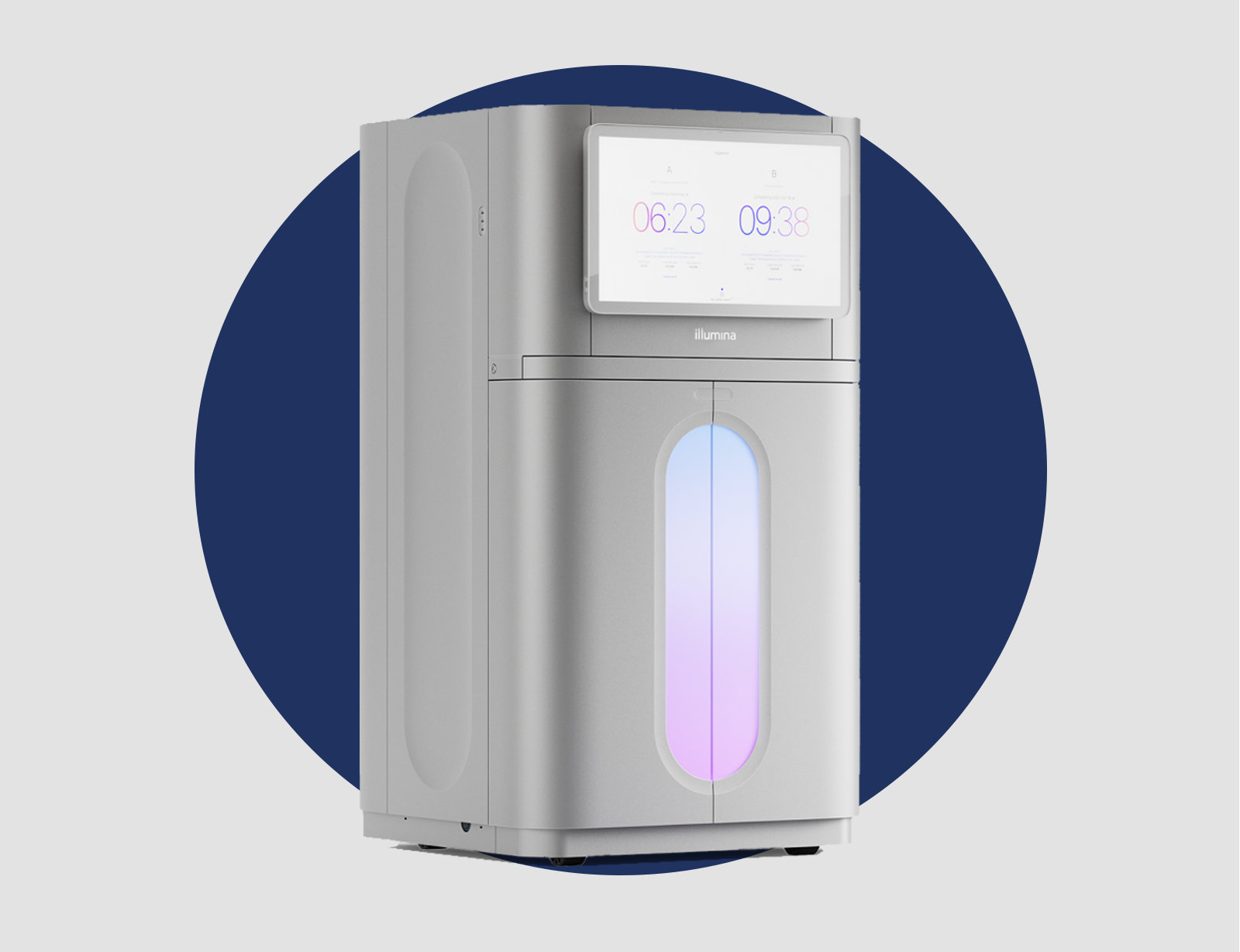
High throughput short read sequencing system optimized for large scale transcriptomic studies.
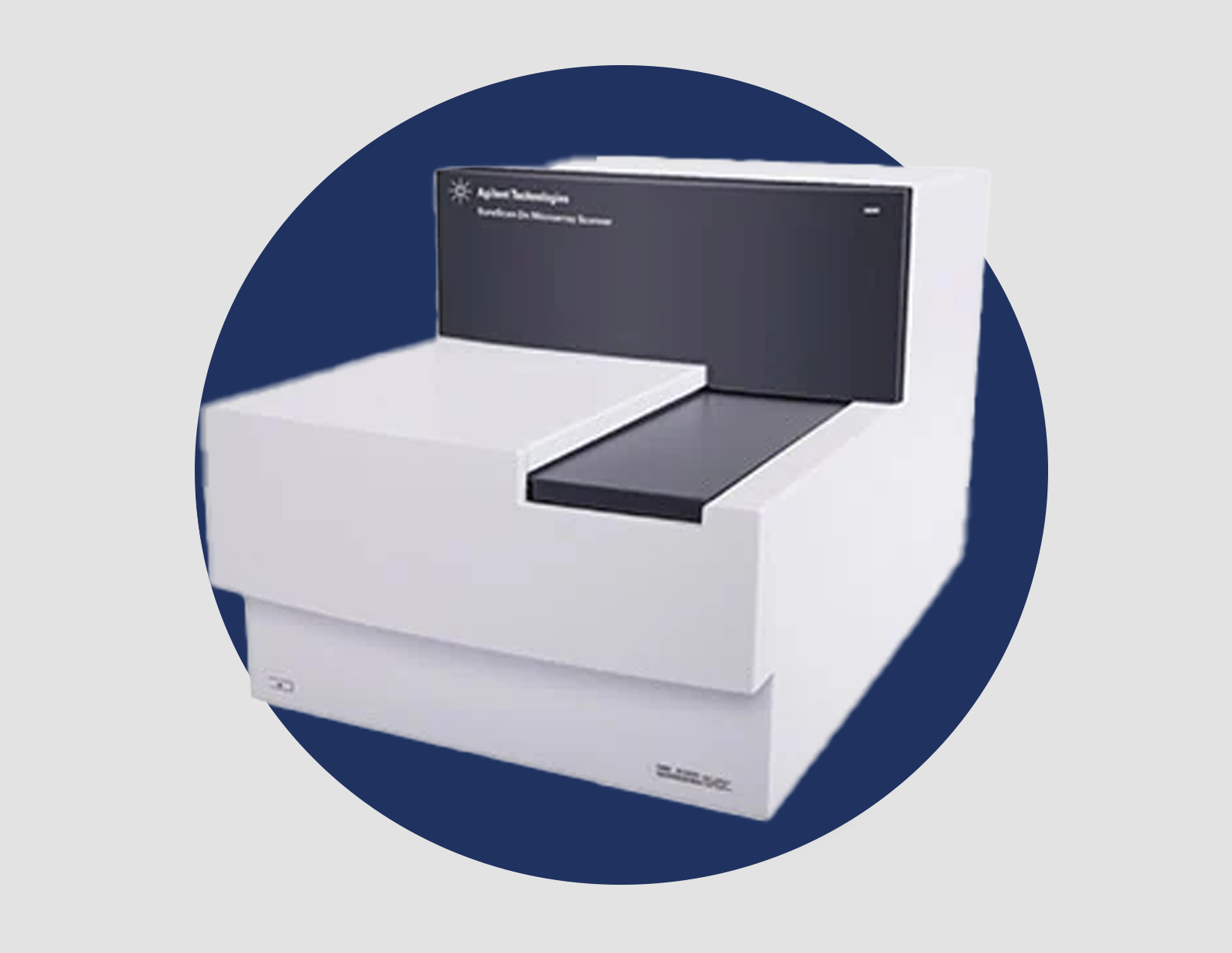
Laser induced fluorescence scanner for sensitive, reproducible microarray readouts across gene expression and other array based workflows.